Costa Blanca Climbing Holidays: Winter Sun Sport Routes and a Calm Torrevieja Base
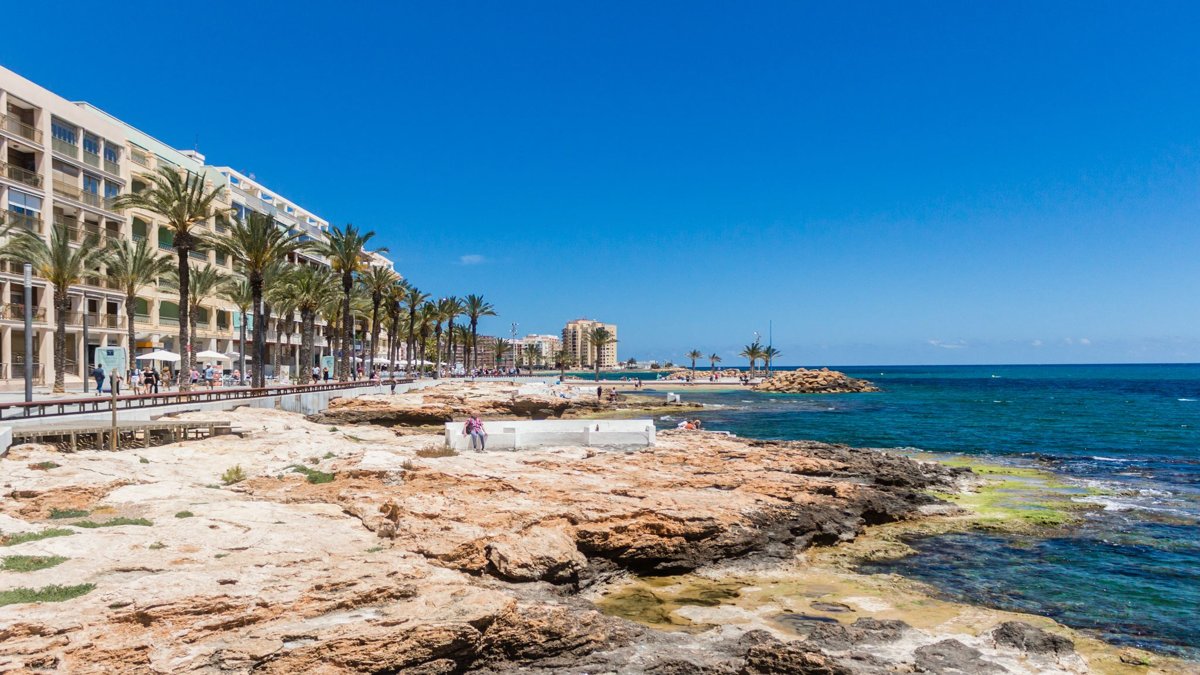
If you have ever packed the car for Stanage only to watch the forecast collapse into drizzle again, the Costa Blanca feels like cheating in the best possible way. From late autumn through spring you can climb dry, sunlit limestone, eat well, sleep properly, and build real fitness while the UK crags are wet.
I first did this trip after a run of cancelled winter weekends at home. What surprised me was not just the weather - it was how easy it was to stack good days back-to-back once you have a predictable routine: early start, efficient crag day, and a comfortable place to recover.
Why Costa Blanca works so well for winter climbing
The Costa Blanca has become a go-to winter destination for UK climbers because it is straightforward: major airport access, a huge spread of limestone crags, and a climate that often delivers dry rock when northern Europe is soaked.
- Fast logistics: Fly into Alicante, pick up a hire car, and you can reach a wide range of venues without complicated approaches.
- Variety in one trip: Technical slabs, steep tufa-style endurance, pocketed walls, long pitches and big mountain days are all on the menu.
- Good infrastructure: Clear guidebooks, established sectors, and plenty of shops for fuel, food and forgotten kit.
Best time to go and how to chase sun or shade
The prime season is generally October to April. In mid-winter, north-facing crags can feel cold in the shade, while sunny sectors can be perfect in a base layer. In spring, you will often do the opposite: start in the sun, then move to shade once temperatures rise.
- December to February: Aim for sun-exposed sectors and bring a warm belay layer.
- March to April: More options open up, and shady walls become very climbable.
For forecasts, I check AEMET (Spain's national weather service) and use it to plan which valley or aspect to target: https://www.aemet.es/en/eltiempo/prediccion/municipios
Best sport climbing crags (with route ideas)
Most people come to the Costa Blanca to clip bolts on limestone: safe falls, clean lines and plenty of mileage. The venues below are reliable for mixed-ability groups.
Sella
Sella is the headline venue for a reason. It is big, varied, and flexible when conditions change. Some sectors are steep and physical, others more technical and slabby, so a group can usually find something that suits.
- Why go: huge choice of grades, loads of routes, and you can move sector-to-sector if it is busy or windy.
- Good for: building endurance and collecting quality pitches across the grades.
Route ideas to look up in your guidebook: ask locals at the crag, or check your topo for popular mid-grade classics around 5c to 6c in the main sectors (names change by sector and edition, so I prefer to recommend the areas rather than risk sending you to the wrong line).
Sierra de Toix (Toix)
Toix is ideal early in the trip: quick approaches, friendly bolting and a generally low-stress feel. If you are travelling with a mixed group, it is also a great place for confidence-building mileage.
- Why go: shorter climbing day, easy to fit in on a travel day or before a big dinner in Calpe.
- Good for: first day clipping, improving movement on limestone, and practising slick belays.
Gandia and Guadalest (when you want a change)
- Gandia: a strong option if you want steeper climbing and a more performance-focused day.
- Guadalest: beautiful setting and often a quieter feel than the biggest hotspots.
If you want additional up-to-date venue notes, UKClimbing is a useful starting point: https://www.ukclimbing.com/logbook/crags/
Multi-pitch and sea cliff classics
Beyond the roadside sport crags, the Costa Blanca has memorable bigger days. Treat these as proper objectives: start early, stay organised, and do not underestimate descents.
Peñón de Ifach (Calpe)
The Peñón is the iconic sea-cliff experience: big exposure, Mediterranean views, and a proper summit day feel. Pick stable weather, move efficiently, and take enough water.
- What to expect: sustained multi-pitch climbing, sea cliff atmosphere, and route-finding that rewards preparation.
- Who it suits: teams comfortable building systems, managing ropes cleanly and staying calm when it gets airy.
Puig Campana
Puig Campana is a step up in commitment: bigger mountain feel, longer days, and the satisfaction of being out on a real objective rather than squeezing in pitches between coffees.
What to pack: rope, draws and small essentials
Most climbers come primarily for bolted routes, so you can keep the rack simple and effective.
- Rope: 70 m is the most versatile choice. A 60 m can work, but you will have fewer options.
- Quickdraws: 14 to 18 (include a few longer draws if you like reducing drag).
- Helmet: strongly recommended for multi-pitch and popular sectors.
- Belay device + prusiks: for abseils, backups and general problem-solving.
- Layers: think UK spring conditions - t-shirt climbing is common, but belays can be breezy.
Guidebooks: Rockfax is the most common choice for visiting UK climbers, and it is easy to buy or check editions here: https://rockfax.com/climbing-guides/costa-blanca/
Where to stay: Torrevieja as a calm base (and realistic drive times)
Let’s be honest about geography: Torrevieja is not the closest place to the headline crags around Calpe and Sella. Depending on traffic and where you park, you are often looking at roughly 1 to 1.5 hours each way for Sella and the Calpe area.
That said, Torrevieja can still be a smart choice if your priorities include quiet nights, easy shopping, family-friendly beaches, and a comfortable self-catering setup. If you are travelling with a non-climbing partner, kids, or you simply want to recover properly between climbing days, the trade-off (more driving, better evenings) can be worth it.
- Why it works: reliable amenities, supermarkets, relaxed evenings, and more space than a typical climber hostel.
- How to make it work: cluster your climbing days (two or three big days in a row), then plan a lighter day or rest day locally.
If you want a practical apartment base in Torrevieja with room for kit and the ability to cook, these two options are a solid fit:
FAQ
Is Costa Blanca good for beginners?
Yes. Many venues have friendly, well-bolted routes at lower grades, and places like Toix can be ideal for building confidence early in the trip.
Do I need a 70 m rope?
It is not mandatory, but it is the most versatile choice across modern sport crags. If you bring a 60 m, check route lengths carefully in your topo.
Is Torrevieja too far to base yourself?
For climbers who want to be close to Calpe and Sella, it is farther than the usual bases. For climbers who value a calmer coastal town and apartment comfort (especially with family), it can work well if you accept the longer drives and plan days efficiently.
Next steps
For a strong Costa Blanca winter trip, keep it simple: travel between October and April, pick a couple of core venues (Sella and Toix are a great start), and add one big objective like the Peñón de Ifach when the weather is stable.
If Torrevieja suits your group and you want a comfortable self-catering base, you can check availability here: Apartment 3a or Apartment 3b.